
What sanitation do disaster response sites actually need?
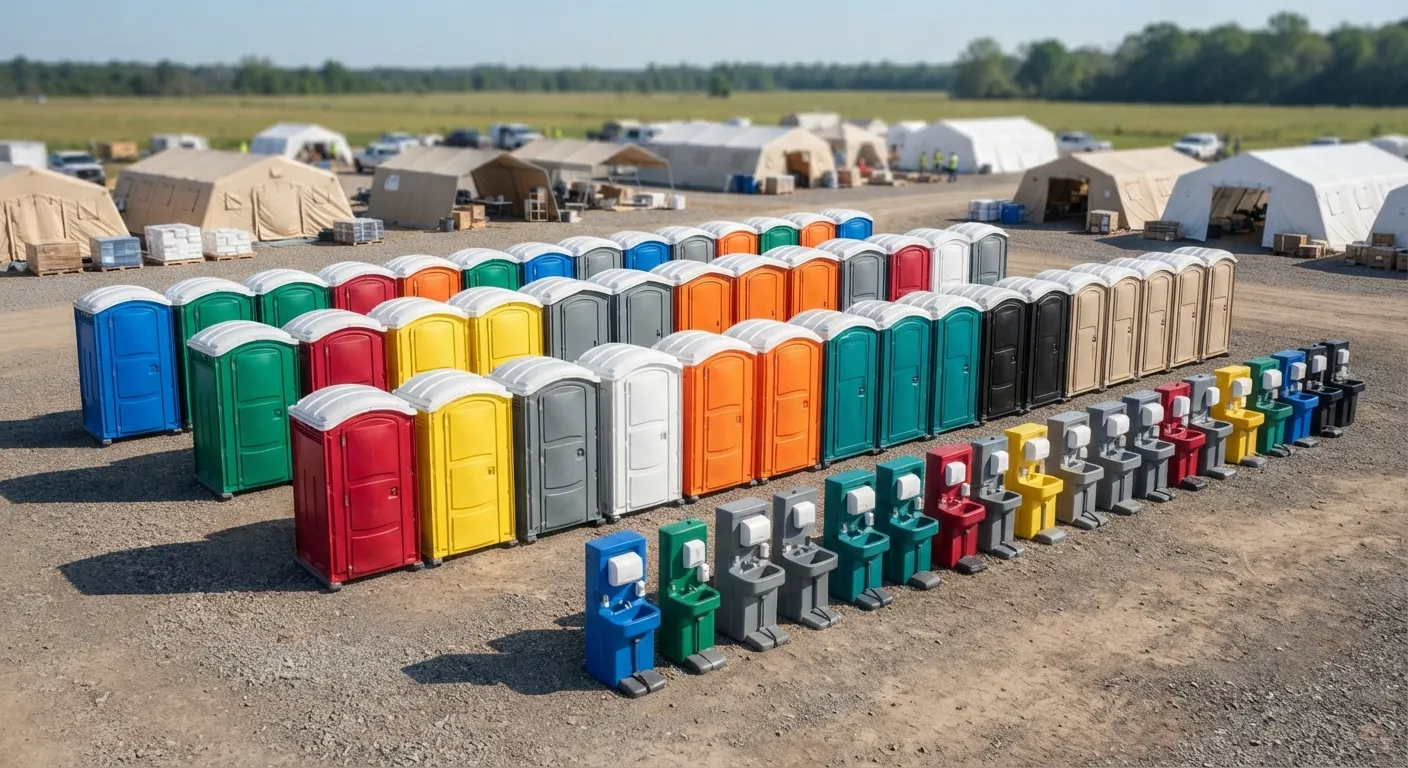
A shelter, staging area or command post has different needs than a normal jobsite, and the gap shows fast when hundreds of displaced people or responders show up with no working restrooms. Portable toilet rental covers the baseline: standard units with 60 to 70 gallon tanks, about 44 by 48 inches on the ground and 92 inches tall, so they fit tight parking lots and staging zones without eating space needed for trucks and trailers. Portable restroom rental scales that up for shelters running multiple days. For responders and volunteers, OSHA 1926.51(c) sets the toilet-to-worker ratio construction crews use, and disaster response contractors follow the same math: one facility for 20 workers or fewer, then more per 40 as headcount climbs. Handwashing matters just as much. 29 CFR 1910.141(d)(2) requires soap and towels or a hand-drying device at wash stations, and hand sanitizer alone does not satisfy it. That is why handwashing station rental and portable sink rental go out alongside toilets on every disaster order, not as an afterthought. Shelters and medical triage points often need something better than a standard unit, and restroom trailer rental or a 4 stall restroom trailer handles that load while keeping water running and lights on inside.
How fast can emergency sanitation be delivered in Rancho Cucamonga?
Response speed is the whole point of this service, and emergency porta potty rental exists because disasters do not wait for a normal delivery window. A standard rental typically runs $100 to $350 a day depending on volume and site conditions, and disaster-scale orders often move to weekly terms once a shelter or command post is expected to run past a few days. Roll-off delivery needs about 60 feet of straight clearance behind the truck, which matters when a parking lot is already packed with emergency vehicles, mobile command units and generator trailers. Rancho Cucamonga sits inland from the coast and away from major floodplains, but wind events, wildfire evacuation and water main failures all create the same sudden need for toilets, handwashing and waste removal at once. Nearby cities feed into the same regional response network: Upland is 8.3 miles west, Claremont 10.7 miles west and Jurupa Valley 13.2 miles southeast, so equipment can shift between staging areas fast when one site needs more than another. Service Areas lists everywhere Rancho Cucamonga Porta Pros can reach on short notice. For debris cleanup running alongside sanitation, roll-off dumpster rental and a 20 yard dumpster rental clear storm debris and damaged material out of the way so responders and residents can move.
Are disaster relief restrooms required to be ADA accessible?
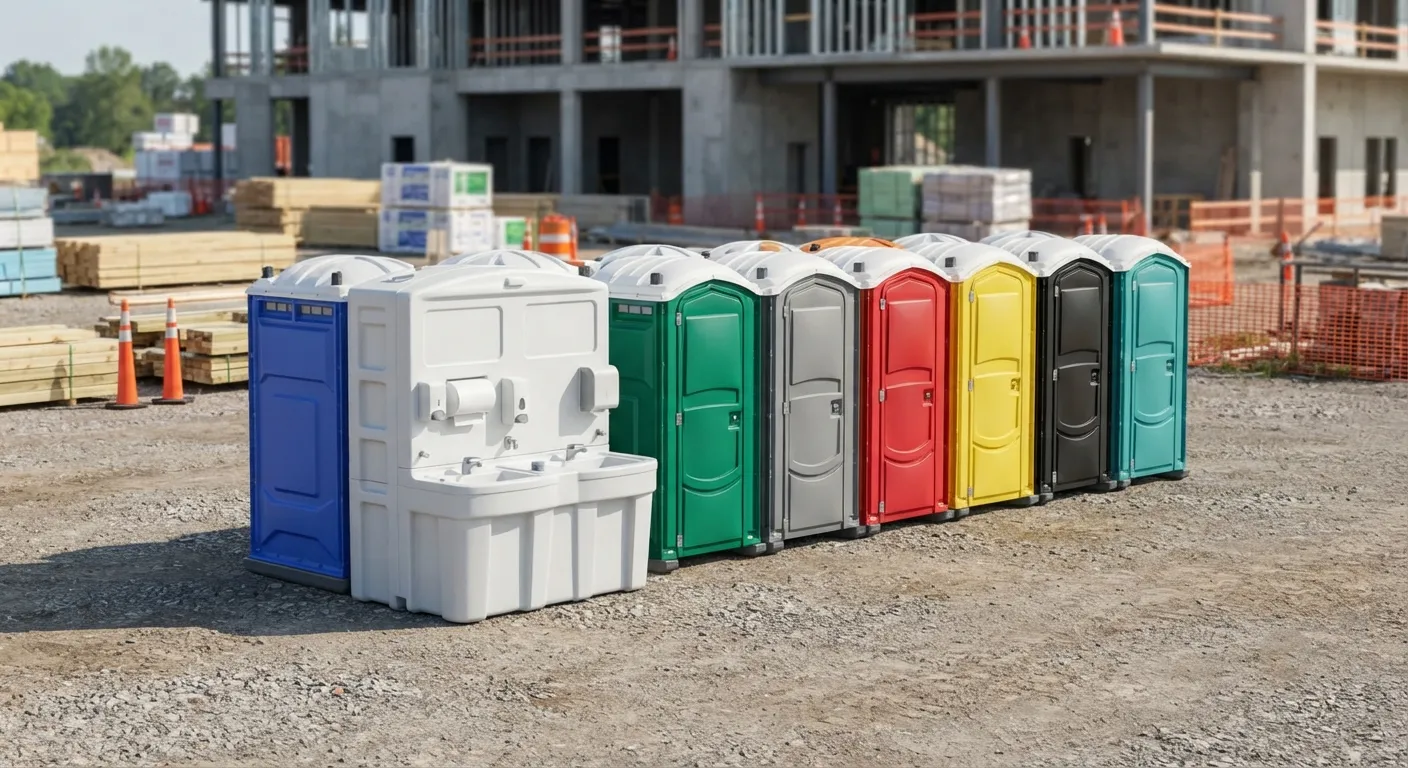
Yes, and this gets missed under emergency pressure more than anywhere else. ADA Standards 213.2 requires that where portable toilets are clustered, at least 5 percent be accessible, with a minimum of one unit no matter how small the cluster. ADA accessible porta potty units meet that standard with a 60 inch turning circle per ADA 304.3.1 and a 32 inch clear door opening per ADA 404.2.3, both worth checking against site plans before units drop, since disaster staging areas often get laid out fast and accessible units get shoved into corners that fail the standard. Weekly ADA rates typically run $120 to $240, and day rates run $200 to $400 depending on how many units are needed and how quickly they have to move. Shelters holding displaced residents for more than a day or two should also plan for handwashing under 29 CFR 1910.141(d)(2) and consider a holding tank rental if plumbing at a shelter building is damaged but the structure is otherwise usable. Disaster relief sanitation planning works best when it is set up before the event, not scrambled together during it, and Rancho Cucamonga residents and agencies can get a head start with Porta Potty Placement Guide and How Many Porta Potties Do I Need before the next windstorm or fire season hits.
How quickly can units arrive after a disaster hits Rancho Cucamonga?
Standard delivery windows shrink to same-day or next-day for confirmed emergency response accounts. Call ahead through Contact or submit through Request a Quote with the site address and headcount so units get staged before the order comes in.
Who pays for emergency sanitation during a disaster?
That depends on whether the order comes through a government agency, a relief organization or a private property owner. Rancho Cucamonga Porta Pros bills whoever places the order; agencies typically have separate reimbursement processes worth confirming beforehand.
Do disaster sites need accessible units even under emergency conditions?
Yes. ADA Standards 213.2 still applies during emergency response, requiring at least 5 percent of a portable toilet cluster to be accessible. See ADA Restroom Requirements for the full standard.
Can Rancho Cucamonga Porta Pros supply handwashing stations without power on site?
Yes, standard handwashing units carry their own water supply and do not need electrical hookup. See Handwashing Station Requirements for what OSHA and 29 CFR 1910.141(d)(2) require on a working site.
What happens to debris and damaged material once sanitation is set up?
Roll-off dumpsters typically follow right behind sanitation setup for storm or fire debris. Check What Cannot Go In a Dumpster before loading hazardous or contaminated material from a disaster site.
Next step
Get a delivery date
Tell us the address, the dates and the headcount. We size the order and confirm the route.