
What does OSHA require for farm sanitation?
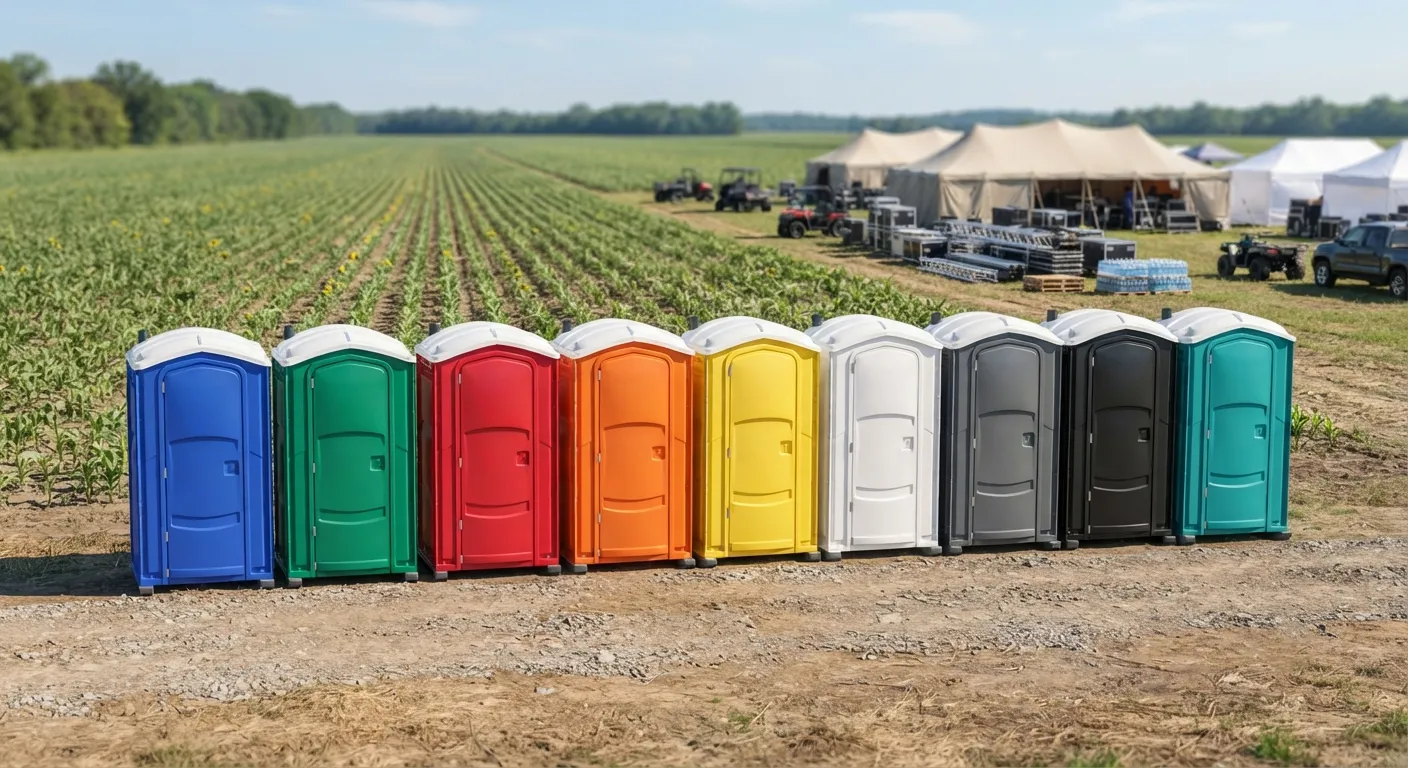
Field sanitation rules exist because hand-labor crews often work far from a fixed building, and OSHA 1928.110 was written for exactly that. It calls for one toilet facility per 20 employees, and it has to sit within a quarter mile of wherever the crew is working, not back at a barn or a packing shed a half mile off. Potable water is required too, covered under OSHA 1926.51(a)(1), and a handwashing station rental usually rides along with the toilet delivery for that reason. Rancho Cucamonga Porta Pros treats these two together because splitting them defeats the purpose. A standard porta potty rental has a 60 to 70 gallon holding tank and stands about 92 inches tall, which matters on uneven row-crop ground because taller units need a level pad. If a grove or vineyard site rotates crews across several fields in a season, ask about a monthly porta potty rental instead of booking week to week. Ag operations near Eastvale, 15.5 miles south of Rancho Cucamonga, and Colton, 19.2 miles east, run on the same federal standard, so the placement logic does not change with the address.
How many units does a farm crew need?
The honest starting point is one toilet per 20 workers under OSHA 1928.110, then you adjust for how spread out the crew actually is. A single 40 acre parcel with one crew working together needs far less than the same acreage split into three picking crews a half mile apart, because each cluster needs its own facility within that quarter mile walk. Our how many porta potties do i need guide walks through the math in more detail, but for row crop and orchard work in Rancho Cucamonga we usually price it by crew size and by how many separate work zones are active at once. Seasonal harvest work often means the crew count doubles for six weeks and drops back down after, so a short-term porta potty rental per day rate can make more sense than committing to a season-long unit count. Dairies and livestock operations sometimes need fewer restrooms but more handwashing capacity, since handwashing requirements around animal contact differ from row crop field work. We also place temporary fence rental around units near equipment yards or access roads when a client asks for it, mostly to keep units from getting bumped by tractors or trucks turning tight corners.
Where should farm restrooms be placed?
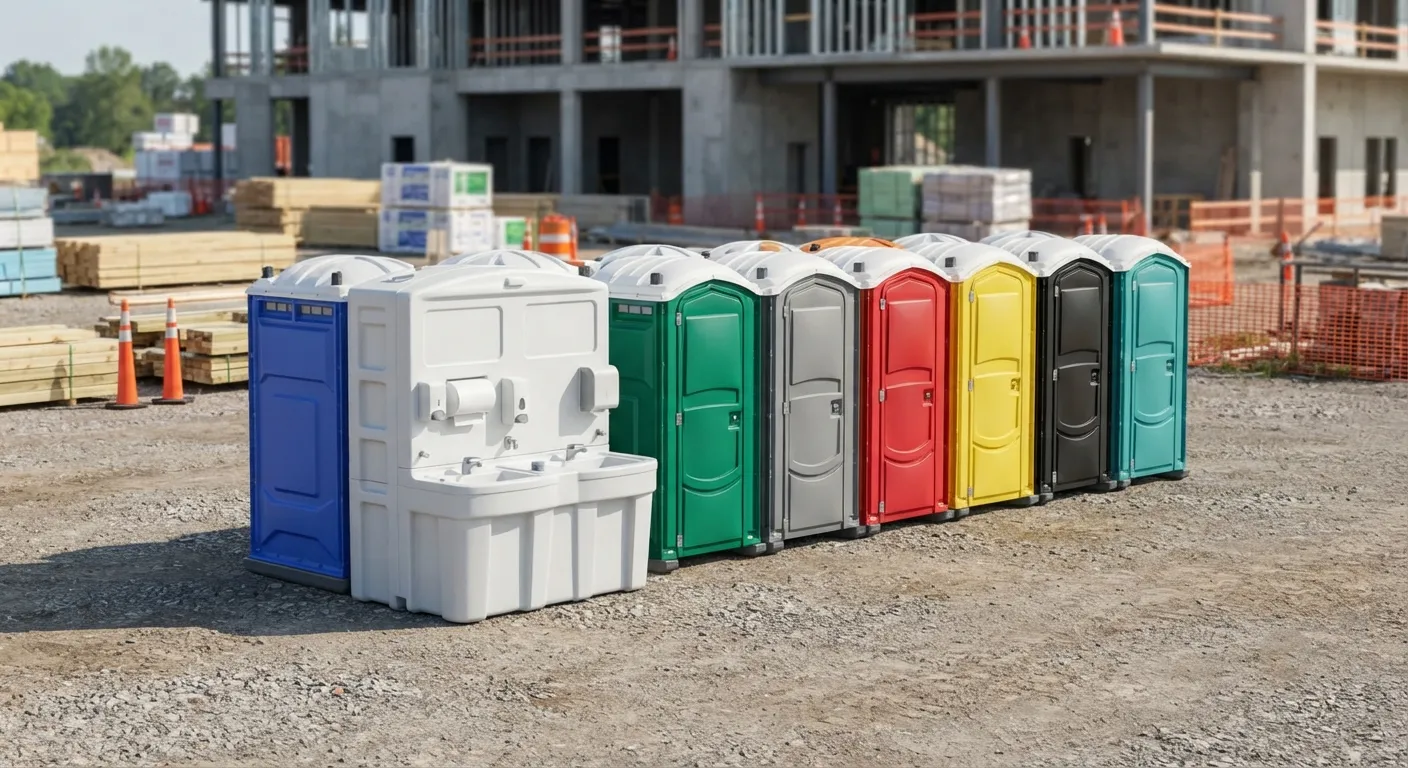
Placement comes down to two things: the quarter mile walk limit in OSHA 1928.110, and a stable, level spot the service truck can reach without tearing up planted ground. Row ends, headland turnarounds and gravel pad areas near irrigation risers tend to work best, because they are firm enough to hold a unit through a wet week without sinking. Our porta potty placement guide covers ground conditions in more depth, and our drivers know the difference between a pad that will hold and one that will not after checking sites across Rancho Cucamonga and neighboring Upland, 8.3 miles west. If a septic or holding tank is already in use on the property, ask about our septic pumping service or a holding tank rental to cover wash areas or a farm office trailer. Larger operations sometimes pair a 4 stall restroom trailer with standard units for supervisors or office staff, especially during harvest when visitor traffic to the property picks up. We service routes out to Claremont, 10.7 miles west, and Montclair, 14.0 miles southwest, on the same schedule, so seasonal crews near either boundary are covered without a separate setup fee.
Farm restroom pricing
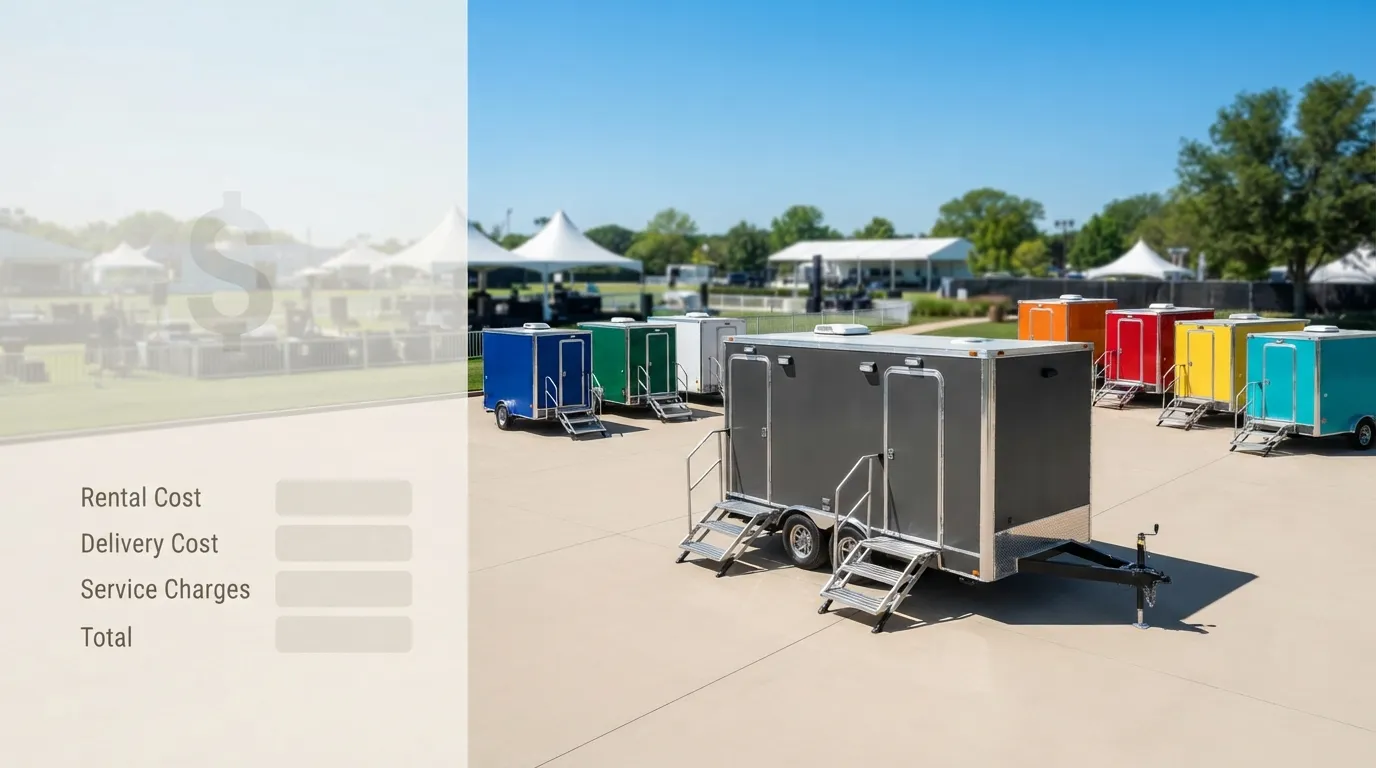
| unit | duration | typical price |
|---|---|---|
| standard | day | $150 |
| standard | week | $200 |
| standard | month | $200 |
| service_fee | month | $150 |
Monthly billing tends to fit farm work best since crews are often on-site for a full season. See monthly porta potty rental for the full breakdown, or porta potty rental cost if you are comparing against a shorter job.
Do farm restrooms need to be ADA accessible?
Only if the workforce or a visiting public requires it; field crews under OSHA 1928.110 do not trigger ADA rules by themselves. If your operation hosts a farm stand, tour, or public event, an ADA accessible porta potty is worth adding, since ADA Standards section 213.2 requires at least 5 percent of clustered units to be accessible.
How often are units serviced during harvest?
Standard service follows one visit per week for up to 10 users over a 40 hour week, per ANSI/PSAI Z4.3, but harvest crews often need more. We adjust the schedule based on crew size and ask about it directly. See how often are porta potties cleaned for specifics.
Can we rent handwashing stations separately from toilets?
Yes. Some dairies and packing operations need more handwashing capacity than toilet capacity. A portable sink rental or handwashing station rental can be added on its own line, sized to crew count rather than tied one-to-one with toilet units.
What if our crew moves between fields during the day?
Multiple smaller clusters usually beat one large cluster, since OSHA 1928.110 measures the walk from each work zone. We place units at each active zone and move them as the crew rotates fields, which our porta potty placement guide explains further.
Do you serve ranches and dairies outside Rancho Cucamonga proper?
Yes, we run routes through Upland, Jurupa Valley, Eastvale, Montclair, Claremont and Colton on the same schedule. Check service areas for your property, or start with a request a quote and we will confirm the drive.
Next step
Get a delivery date
Tell us the address, the dates and the headcount. We size the order and confirm the route.