
What does OSHA require for handwashing stations?
The rule people misquote most is 1926.51(f)(1). It does not mean every job site needs a sink. It applies specifically where workers are applying paints, coatings, herbicides or insecticides, or handling other contaminants that call for washing. If your crew fits that description, Rancho Cucamonga Porta Pros can pair a handwashing station rental with your existing portable toilet rental setup. Separately, general sanitation on construction sites is governed by OSHA 1926.51(c), which sets toilet counts by crew size, not handwashing counts. Under 29 CFR 1910.141(d)(2), any washing facility has to include soap and either towels or a hand drying device. Hand sanitizer alone does not satisfy that standard, a detail a lot of first-time renters get wrong. We hear it constantly from crews near Upland, 8.3 miles west, who assumed a sanitizer stand covered them. If you are unsure which rule applies to your job, the handwashing station rental page walks through setups for both construction and food service work.
Do I need a handwashing station or just hand sanitizer?
A sanitizer stand is fine as a supplement, but it is not a substitute where 29 CFR 1910.141(d)(2) applies, since that standard specifically calls for soap and towels or a drying device. If your Rancho Cucamonga site has any paint, coating, herbicide or insecticide work happening, OSHA 1926.51(f)(1) points toward a real washing station, not just a hand sanitizer station rental. Restaurants, food trucks, and farm operations tend to need actual sinks too. A portable sink rental with fresh and gray water tanks handles that better than a gel dispenser ever will. Agricultural operations have their own layer here: OSHA 1928.110 requires potable water, toilets and handwashing for hand-labor employees, at a ratio of one facility per 20 workers, and it has to sit within a quarter mile walk of the work area. That standard shows up often on the farm sites we service between Rancho Cucamonga and Jurupa Valley, 13.2 miles southeast. If your crew works fields rather than framing, check farm and agricultural restrooms before you order.
How many handwashing stations does my crew need?
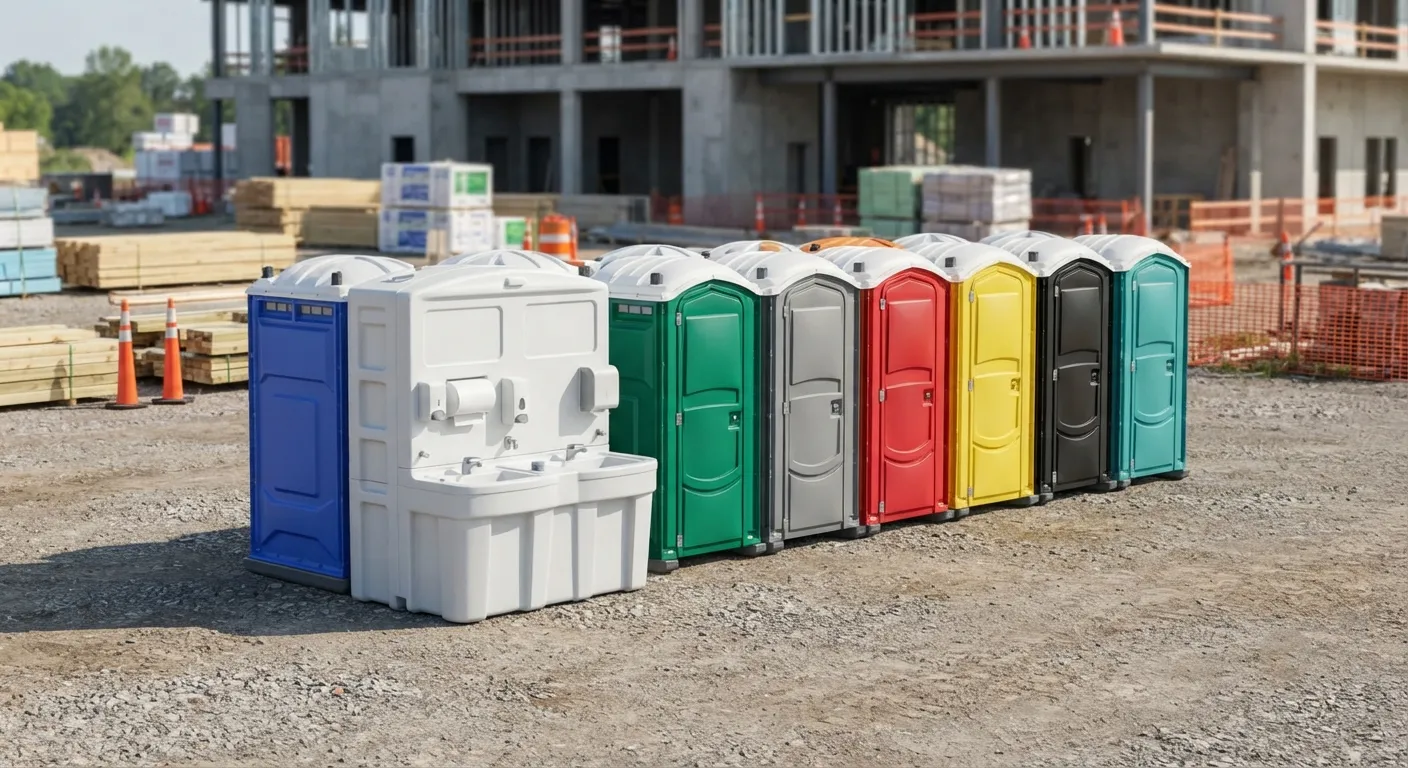
Sizing depends on headcount and layout more than any fixed formula, since OSHA does not publish a strict handwashing-per-worker ratio the way it does for toilets. What we go by instead is the toilet ratio in OSHA 1926.51(c): one facility for 20 workers or fewer, then one seat and one urinal per 40 workers as the crew grows past that, and one per 50 once you hit 200 or more. We pair handwashing stations at the same density. A general contractor building out a strip project in Rancho Cucamonga with 35 workers usually needs two toilet setups and at least one dedicated handwashing station near the paint and coating area specifically, per 1926.51(f)(1). For exact toilet counts, our how many porta potties do I need guide breaks it down further, and our OSHA portable toilet requirements page covers the full ratio table. Larger sites often add a portable sink rental near the crew trailer for lunch breaks, separate from the compliance station near active spray work.
Where should handwashing stations be placed on site?
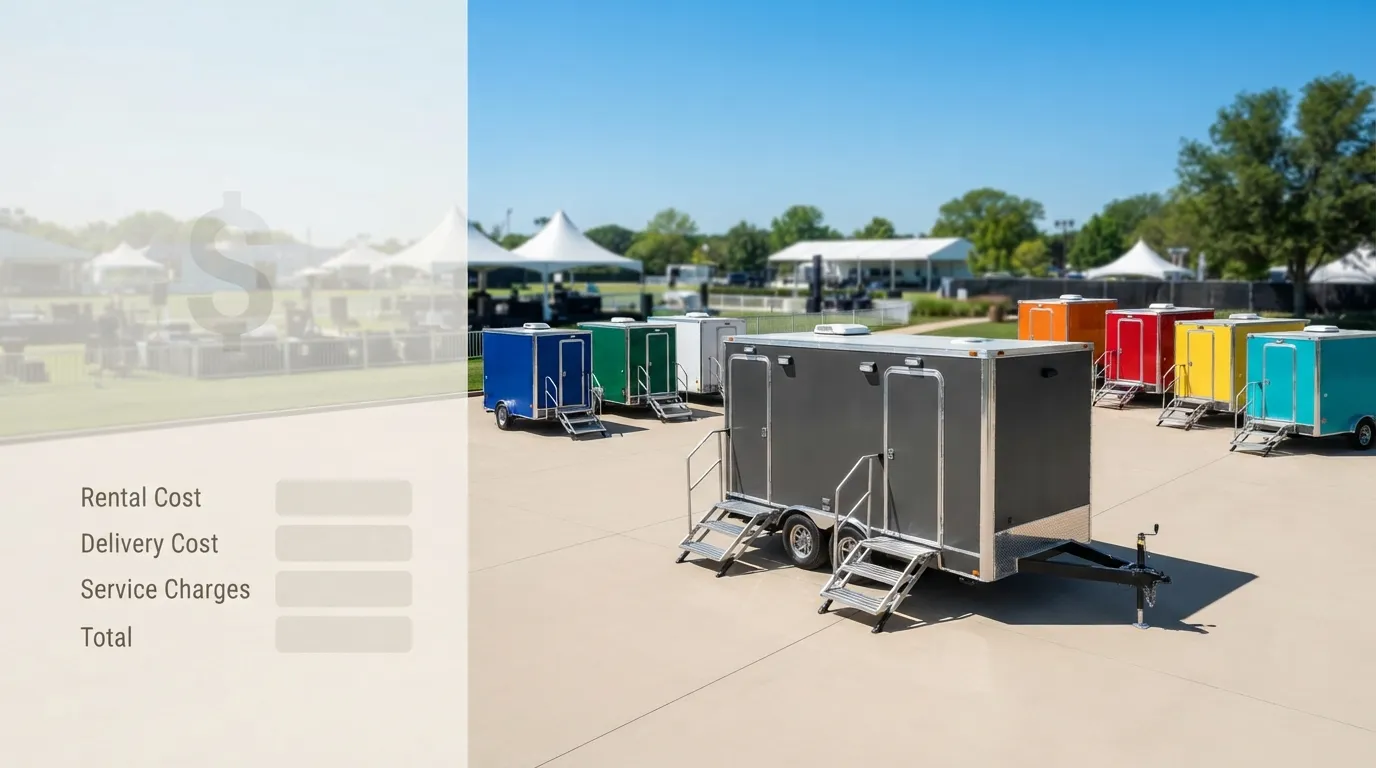
Placement rules come from ADA guidance more than OSHA on most jobs with public access. ADA Standards 403.5.1 calls for a 36 inch minimum clear route to reach the unit, and 404.2.3 sets a 32 inch minimum door opening where a station has an enclosure. If you are clustering handwashing stations alongside portable toilets, ADA 213.2 requires at least 5 percent of clustered single-user units to be accessible, with a minimum of one no matter how small the cluster is. Ground surfaces need to be stable and slip resistant per ADA 302.1, which matters on graded dirt sites more than paved ones. For events with public foot traffic, our porta potty placement guide covers spacing and accessible routes in more depth, and our ADA accessible porta potty page details unit specs. Crews working near Claremont, 10.7 miles west, or Montclair, 14.0 miles southwest, often ask us to confirm placement against both ADA clearance rules and site drainage before delivery day.
FAQ
Does hand sanitizer meet OSHA requirements?
No. 29 CFR 1910.141(d)(2) requires soap plus towels or a hand drying device wherever washing facilities are mandated. Sanitizer gel does not meet that standard on its own. Pair a hand sanitizer station rental with a real sink, not instead of one, especially anywhere 1926.51(f)(1) applies.
Do all construction sites need handwashing stations?
Not automatically. OSHA 1926.51(f)(1) applies specifically to paint, coating, herbicide or insecticide work. General sanitation falls under 1926.51(c), which governs toilets, not handwashing counts directly. Ask us which rule fits your Rancho Cucamonga job before ordering equipment.
What is the difference between a handwashing station and a portable sink?
A handwashing station is typically foot-pumped with a small fresh water tank for compliance work. A portable sink rental usually has larger fresh and gray tanks, built for food service or higher-volume hand washing throughout a shift.
Can I rent a handwashing station without a porta potty?
Yes. Many Rancho Cucamonga customers rent handwashing stations standalone for retail construction, food trucks, or farm labor crews under OSHA 1928.110. Most sites still pair them with a portable restroom rental for full coverage.
How often does a handwashing station get serviced?
ANSI/PSAI Z4.3 sets a baseline of one service visit per week for up to 10 users across a 40 hour week. Higher headcounts or heavier use need more frequent visits. Ask about your specific crew size when you request a quote.
Next step
Get a delivery date
Tell us the address, the dates and the headcount. We size the order and confirm the route.