
How often does a septic tank need pumping?
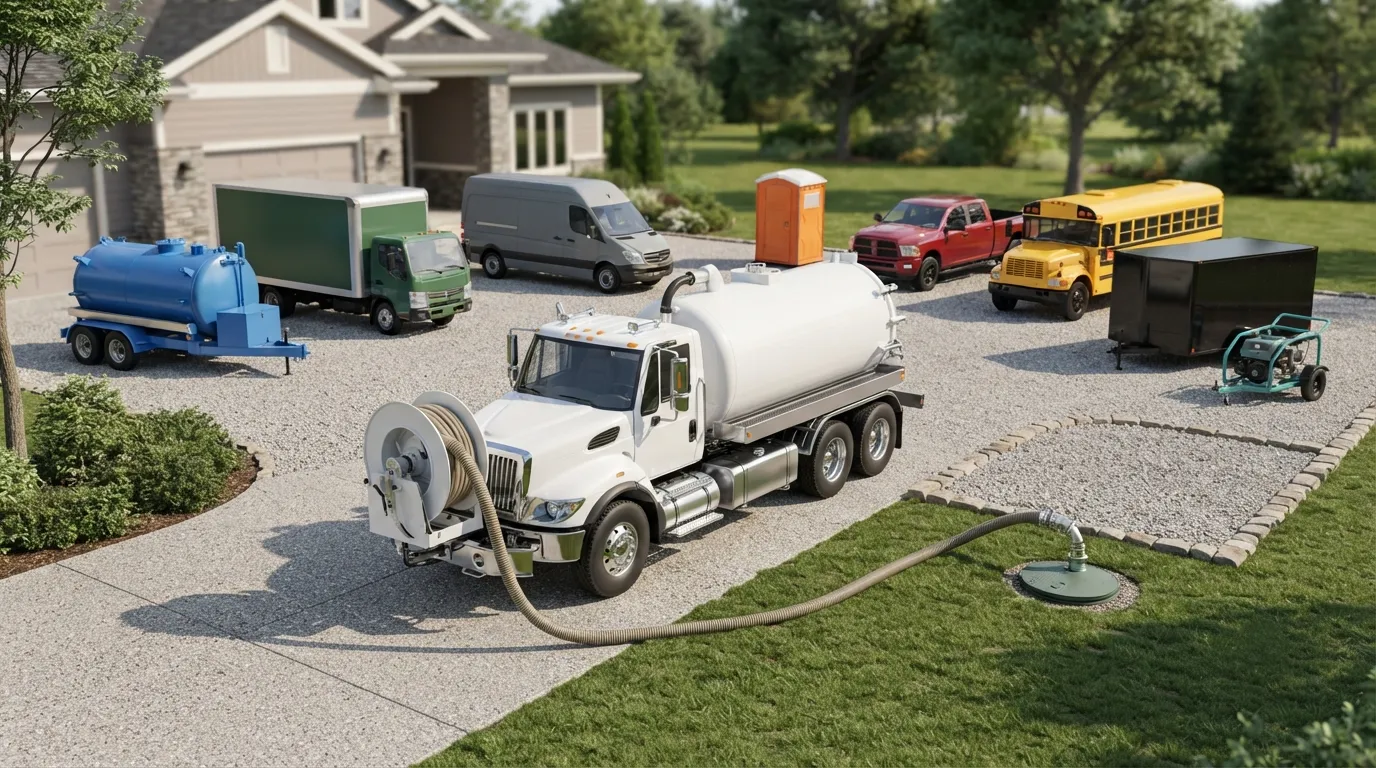
Every 3 to 5 years is the baseline for a standard residential tank, and that range comes down to tank size and household size, not the calendar. A bigger household pushes more solids into the tank each month, which shortens the interval. If you have added bedrooms or bathrooms since the tank went in, get it checked sooner rather than later. Rancho Cucamonga Porta Pros can tell you where your system falls once we see tank size and usage. This is different from a grease trap pumping schedule, which is driven by volume of fats and oils, not years. For a deeper breakdown of what changes the timeline, see how often to pump a septic tank. If you are building new or renovating, pair your septic plan with construction site services so nothing gets missed before final inspection. Homeowners doing a remodel often add a home renovation porta potty while the bathroom is out of commission, which takes pressure off the septic system during the work.
What are the warning signs a tank needs pumping now?
Slow drains, gurgling pipes, standing water near the tank lid, and a sewage smell in the yard all mean call now, not next month. These signs mean the tank is at or near capacity and backup risk is real. Ignoring them can mean sewage backing into the house, which costs far more to fix than a pumping visit. If you are noticing these signs at a commercial property in Rancho Cucamonga, treat it the same way you would treat a written notice: don't wait. See the full list on our septic tank warning signs page. For sites where an outage would stop work entirely, like a working farm, our farm and agricultural restrooms page covers backup sanitation while the tank gets serviced. If the smell is coming from a kitchen grease interceptor instead of the septic tank, that is a separate system pumped when fats, oils, grease and solids reach 25 percent of the liquid depth, and it needs its own visit, covered on our grease trap pumping page.
What does a septic pumping service include?
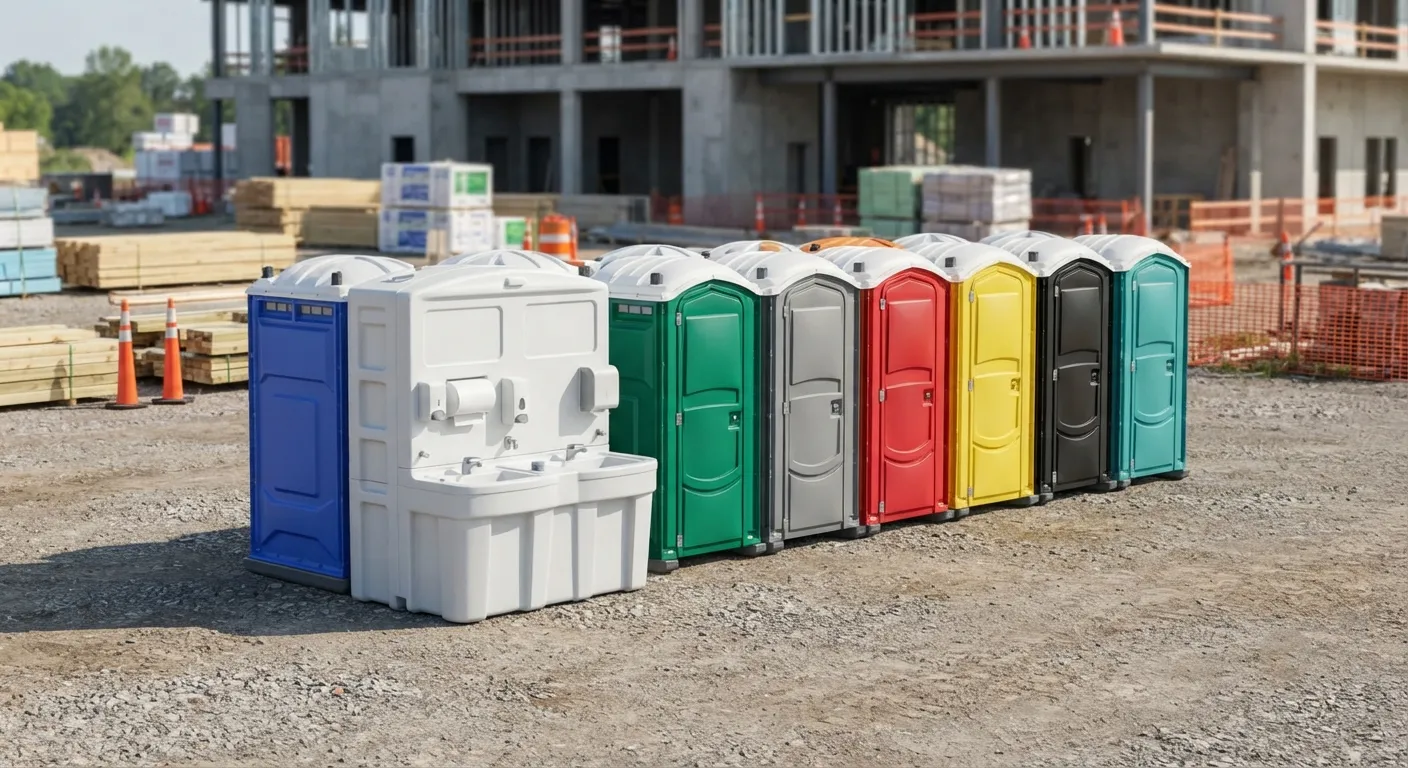
A standard visit includes locating and uncovering the tank lid, pumping the tank fully, and a basic check of the baffles and tank condition. We are not diagnosing a full system failure on a routine visit, but we will flag anything that looks off so you can plan ahead. This is separate from septic tank cleaning, which is a more thorough scope for tanks with heavier buildup. If your property needs both pumping and cleaning, we will scope it before we quote. Commercial kitchens should ask about grease trap pumping on the same visit if both systems are due. For properties without a connected sewer or septic system at all, our holding tank rental service is the better fit, and we cover that setup separately below.
How much does septic tank pumping cost?
Pricing depends on tank size, access, and whether the visit is scheduled or an emergency call. Rancho Cucamonga Porta Pros prices septic service by the visit, with weekend rates run separately from weekday rates because of crew availability.
| service | duration | low | typical | high |
|---|---|---|---|---|
| septic pumping | day | $150 | $250 | $300 |
| septic pumping | weekend | $50 | $100 | $150 |
These bands reflect what we have measured across real jobs, not a flat rate quoted blind. A 1,000 gallon septic tank pumping cost sits toward the lower end of the day rate for straightforward access; a larger tank or a lid buried under landscaping runs higher. For the full pricing breakdown by tank size and access difficulty, see our septic tank pumping cost page. If you are comparing the average cost of septic tank pumping against other site services on the same property, our dumpster rental cost and porta potty rental cost pages break down those numbers the same way, by duration and unit.
What if I don't have a septic system at all?
If your property has no septic hookup, a holding tank is the standard workaround, and it needs regular pumping since it has no leach field to disperse liquid. We service holding tanks on the same routine as septic tanks, scheduled around actual usage rather than a fixed calendar. This setup is common on construction sites without utilities yet, at agricultural properties with a farm and agricultural restrooms setup, and at remote event sites. See holding tank rental for the full service. Sites that also need standard toilets alongside a holding tank should look at our standard porta potty rental or, for ADA compliance, our ADA accessible porta potty page, which follows ADA Standards section 213.2 requiring at least 5 percent of clustered single-user units to be accessible. Event organizers combining a holding tank with restrooms should check our event restroom rental page for full setup guidance.

Do you offer emergency septic service?
Yes, and a backup that floods a yard or a bathroom does not wait for business hours, so we treat it as an emergency call. Rancho Cucamonga sits close enough to several nearby service points that response times stay tight: Upland is 8.3 miles west, San Antonio Heights is 9.5 miles west, and Claremont is 10.7 miles west, all inside a workable radius for a same-day truck. See our emergency septic service page for how that dispatch works. If your emergency is really a full sanitation gap after a storm or other disruption, our disaster relief sanitation page covers combined septic and restroom response. For general portable toilet emergencies unrelated to a septic backup, see emergency porta potty rental instead, since the dispatch and equipment differ.
Construction sites relying on a septic system for onsite sanitation still need to meet OSHA 1926.51(c), which sets toilet counts based on crew size, from 1 facility for 20 workers or fewer up to 1 seat and 1 urinal per 50 workers at 200 or more. Farms with hand-labor crews fall under a separate standard, OSHA 1928.110, which requires one facility per 20 employees within a quarter mile walk. Neither standard is about septic pumping directly, but both explain why a site needs backup toilets while a tank is being serviced. Our porta john rental and portable restroom rental pages both cover short-notice placement for exactly that gap, and our OSHA portable toilet requirements guide walks through the full ratio table.
If you are weighing septic pumping against a full system replacement, that decision usually starts with tank age and a look at drain field condition, which is outside the scope of a pumping visit but worth flagging to your septic contractor. In the meantime, if you are managing a property in Jurupa Valley, 13.2 miles southeast of Rancho Cucamonga, or Montclair, 14.0 miles southwest, we cover both inside our normal service radius. Our service areas page lists every city we reach, including Eastvale at 15.5 miles south and Colton at 19.2 miles east. For a rundown of every service we run beyond septic, from roll-off dumpster rental to temporary fence rental, start at Porta Potty Rental in Rancho Cucamonga, CA or reach out directly through contact or request a quote.
How much does septic tank pumping cost on average?
Most residential visits fall between $150 and $300 for a scheduled weekday appointment, with weekend service priced separately at $50 to $150. Tank size, access, and how full the tank is when we arrive all move the number. See septic tank pumping cost for the full breakdown by tank size.
How often should a 1,000 gallon septic tank be pumped?
Every 3 to 5 years for a typical household, though heavier usage or a larger household shortens that window. Garbage disposal use and total occupants both matter more than the calendar date. Check how often to pump a septic tank for the specifics that apply to your setup.
What are the signs my septic tank is full?
Slow drains, gurgling pipes, wet spots near the tank, and sewage odor in the yard all point to a tank at capacity. These signs mean pumping is due now, not on a future schedule. See septic tank warning signs for the complete list.
Do you offer same-day septic pumping?
Yes, for urgent backups we dispatch the same day where the schedule allows. Rancho Cucamonga sits within a tight radius of several nearby cities, which keeps response times short. See emergency septic service for how dispatch priority works.
What is the difference between septic pumping and septic cleaning?
Pumping empties the tank; cleaning removes buildup and debris more thoroughly, including material stuck to tank walls and baffles. Most routine visits only need pumping. See septic tank cleaning for when the deeper service applies.
Can I get a holding tank instead of a septic system?
Yes, holding tanks work where no septic hookup exists, common on construction sites, farms and remote event locations. They need more frequent pumping since there is no leach field. See holding tank rental for setup and service details.
Next step
Get a delivery date
Tell us the address, the dates and the headcount. We size the order and confirm the route.